Access to abortion care in the United States varies widely depending on where you live. For many patients, understanding state-specific abortion laws is the first and most important step toward making an informed healthcare decision. At Medica Center FEM, we believe that accurate information brings clarity, confidence, and peace of mind—especially during emotionally overwhelming moments.
In this guide, we explain how abortion laws differ across several key states, including Minnesota, Virginia, Oregon, Massachusetts, Hawaii, and Connecticut, while also helping you understand your legal rights, available options, and access to safe care in the U.S.
Abortion Access in the United States: The Bigger Picture
Before diving into individual states, it’s important to understand that abortion access in the U.S. is shaped by state legislation rather than a single federal standard. This means that patients often travel across state lines or explore different care options depending on local laws.
To understand your rights and care pathways nationwide, this overview of legal abortion service explains where and how abortion remains accessible.
Minnesota Abortion Law: Strong Protections for Patients
The minnesota abortion law is among the most protective in the country. Minnesota recognizes abortion as a fundamental right under state law, ensuring access without gestational bans written into statute. This means patients can seek abortion care without fear of sudden legal restrictions.
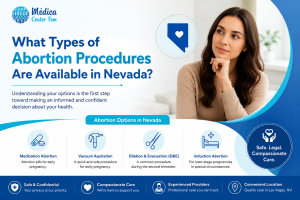
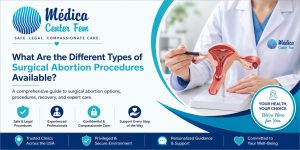
Minnesota also supports access to both medication and procedural abortion, making it a reliable option for those traveling from more restrictive states. If you’re exploring care pathways nationwide, learning about abortion options in the USA can help you decide what’s right for you.

Virginia Abortion Law: Legal but Time-Sensitive
The virginia abortion law allows abortion care, but with gestational limits and specific medical regulations. While access remains available, timing is critical, and delays can affect eligibility for certain procedures.
Patients in Virginia often seek early consultations to understand costs, timelines, and available methods. For a realistic breakdown of expenses, this guide on how much does an abortion cost in 2025 offers helpful insights.
Oregon Abortion Laws: One of the Most Accessible States
Among all U.S. states, oregon abortion laws are considered some of the most patient-centered. Oregon places no gestational limits in state law and ensures abortion access regardless of residency or immigration status.
Because of this, Oregon has become a key destination for patients seeking uninterrupted access to care. If you’re researching nationwide availability, this overview of abortion access in the USA provides a broader perspective.

Abortion Law in Massachusetts: Protected and Regulated
The abortion law in massachusetts protects abortion access and allows care later in pregnancy under specific medical circumstances. Massachusetts combines legal protection with strong medical oversight, ensuring patient safety and confidentiality.
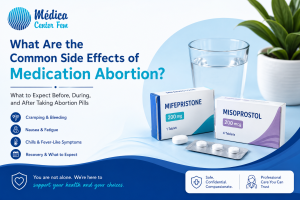
Many patients also explore medication abortion in early pregnancy. Understanding how abortion pills work—such as mifepristone and misoprostol—can help patients make informed choices.
Abortion Laws in Hawaii: Constitutional Protection
The abortion laws in hawaii are uniquely strong because abortion rights are protected under the state constitution. This ensures long-term legal stability and continued access to abortion services.
Hawaii allows both medication and in-clinic procedures, and patients benefit from clear, patient-focused regulations. Those seeking more education about medication options may find this guide on abortion pills useful, even if they are considering care outside Nevada.
Connecticut Abortion Laws: Safe Haven for Care
Connecticut abortion laws protect abortion access and include legal safeguards for both patients and providers. Connecticut has also positioned itself as a safe-access state, welcoming patients from more restrictive regions.
As more patients travel for care, understanding regional legal differences—such as abortion laws in Las Vegas or Florida abortion laws—can help with planning and decision-making.
How Legal Changes Affect Patients Nationwide
Recent legal challenges, including high-profile cases such as the Texas abortion case before the Supreme Court and evolving Texas abortion laws, continue to shape access across the country.
Because laws can change quickly, it’s important to rely on up-to-date, medically accurate information and trusted healthcare providers when making decisions.
Costs, Clinics, and Practical Planning
Beyond legality, many patients worry about affordability and clinic availability. Costs can vary by state, gestational age, and procedure type. For example, this guide on abortion price in Las Vegas and information on abortion clinics in Las Vegas highlight how regional factors influence access.
Final Thoughts: Knowledge Is Empowerment
Whether you’re researching the minnesota abortion law, virginia abortion law, oregon abortion laws, or abortion laws in Massachusetts, Hawaii, or Connecticut, one thing remains constant: you deserve accurate information and compassionate care.
At Medica Center FEM, we’re committed to helping patients understand their rights, explore safe options, and access trusted abortion care—no matter where they live.
If you need guidance, education, or support, start by learning your options and taking the next step with confidence.