Access to reproductive healthcare remains an important topic for women across the United States, especially as abortion laws continue to vary from state to state. In Nevada, abortion services are legally protected, giving women access to multiple safe and medically approved procedures depending on the stage of pregnancy and individual health needs.
For many women, understanding the different abortion procedures available can feel overwhelming at first. Questions about safety, recovery time, cost, legal requirements, and emotional readiness often play a major role in the decision-making process. Some patients may prefer a private medication-based approach, while others may feel more comfortable choosing an in-clinic procedure completed under medical supervision.
The good news is that Nevada offers several abortion care options designed to support women at different stages of pregnancy. Whether someone is seeking an early medication abortion or a later surgical procedure, learning about how each option works can help reduce uncertainty and allow patients to make informed healthcare decisions with confidence.
Understanding Abortion Care in Nevada
Abortion care is not a one-size-fits-all medical service. The procedure that may be appropriate for one woman could be very different for another depending on medical history, pregnancy duration, and personal preference. In Nevada, healthcare providers typically evaluate several factors before recommending a treatment option, including gestational age, overall health, and patient comfort level.
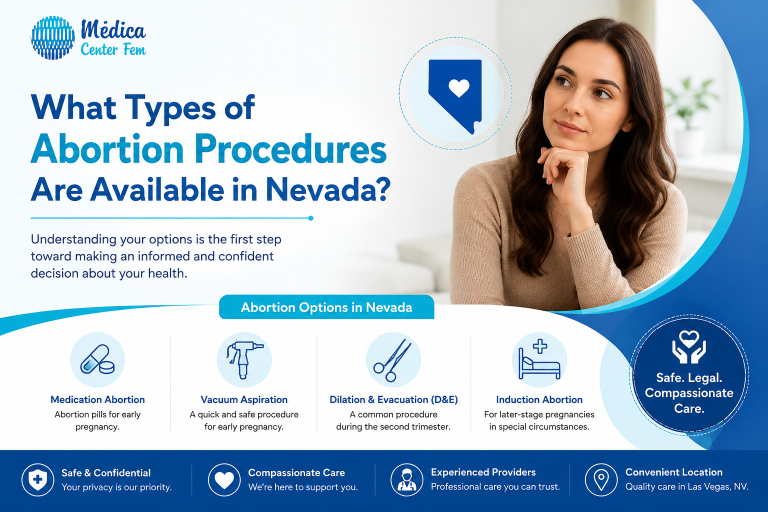
Generally, abortion procedures are divided into two primary categories:
- Medication abortion
- Surgical or in-clinic abortion procedures
Medication abortion is commonly chosen during the earlier weeks of pregnancy, while surgical procedures are usually recommended for pregnancies that are further along or when medication abortion may not be medically appropriate.
Nevada law currently protects abortion access up to fetal viability, making the state one of the more accessible locations for reproductive healthcare services in the region. Many women traveling from neighboring states also seek abortion care in Nevada due to changing legal restrictions elsewhere. Patients interested in understanding regional legal changes can review these resources covering abortion laws in Las Vegas, recent developments related to the Texas abortion case before the Supreme Court, and updates regarding Texas abortion laws.
Medication Abortion in Nevada
What Is a Medication Abortion?
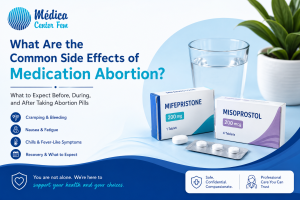
Medication abortion, often referred to as the abortion pill, is one of the most common methods used during early pregnancy. This option allows women to end a pregnancy using prescribed medications instead of undergoing a surgical procedure.
The process generally involves two medications:
- Mifepristone
- Misoprostol
These medications work together to safely terminate an early pregnancy. Women who want a detailed understanding of the medications involved can learn more about Mifepristone and Misoprostol and how they are commonly used in abortion care.
Medication abortion is typically available during the first 10 to 11 weeks of pregnancy, although eligibility can vary depending on the clinic and individual medical circumstances.
How the Abortion Pill Process Works
The medication abortion process usually begins with taking mifepristone. This medication blocks progesterone, which is a hormone necessary for maintaining pregnancy. Without progesterone, the pregnancy can no longer continue to develop normally.
After taking mifepristone, the patient generally takes misoprostol within 24 to 48 hours. Misoprostol causes the uterus to contract and expel the pregnancy tissue. During this stage, women typically experience bleeding and cramping that may feel similar to a heavy menstrual period or miscarriage.
The experience varies from person to person. Some women may experience stronger cramping, nausea, chills, or temporary fatigue, while others may have milder symptoms. Most patients complete the process at home, which is one reason why medication abortion is often preferred by women seeking privacy and comfort during treatment.
Women interested in understanding what to expect during the process can review this detailed guide on abortion pills in Las Vegas.
Why Some Women Choose Medication Abortion
Many women prefer medication abortion because it feels less invasive compared to surgical procedures. The ability to complete the process at home can provide emotional comfort and privacy, especially for patients who feel anxious about visiting a clinic for a procedure.
Some additional reasons women choose medication abortion include:
- Avoiding surgery or anesthesia
- Greater sense of personal control
- Early pregnancy treatment
- Lower procedural intervention
- More flexible scheduling
However, medication abortion may not be suitable for every patient. Women with certain medical conditions, ectopic pregnancies, bleeding disorders, or pregnancies beyond the recommended gestational limit may require alternative procedures.
Surgical Abortion Procedures in Nevada
While medication abortion is effective for early pregnancies, surgical abortion procedures are often recommended when pregnancies are further along or when patients prefer a faster in-clinic option supervised by healthcare professionals.
These procedures are performed in licensed medical facilities by trained providers and are considered very safe when completed under professional care.
Vacuum Aspiration Abortion
What Is Vacuum Aspiration?
Vacuum aspiration, also called suction aspiration, is one of the most commonly performed abortion procedures during the first trimester. It is a brief medical procedure that removes pregnancy tissue from the uterus using gentle suction.
This procedure is often chosen by women who:
- Prefer an in-clinic option
- Want the process completed quickly
- May not want to experience medication abortion symptoms at home
- Are slightly further along in pregnancy
The actual procedure itself generally takes only a few minutes, although the full appointment may include counseling, preparation, recovery time, and observation.
What Happens During the Procedure?
Before the procedure begins, the healthcare provider may administer local anesthesia or sedation depending on the patient’s needs and clinic protocols. The cervix is gently opened using small instruments, allowing a thin suction device to remove pregnancy tissue safely from the uterus.
Most women experience cramping during and shortly after the procedure, but the discomfort usually improves quickly. Many patients are able to return home the same day and resume normal activities within a short period.
Recovery commonly includes:
- Mild cramping
- Light bleeding
- Temporary fatigue
- Emotional adjustment
Following proper post-abortion care instructions is important to help reduce complications and support recovery.
Dilation and Evacuation (D&E)
Understanding the D&E Procedure
Dilation and Evacuation, commonly known as D&E, is a procedure typically performed during the second trimester. This method is used when pregnancies are further along and cannot be treated with medication abortion or early suction procedures alone.
The process involves carefully dilating the cervix before removing pregnancy tissue using suction and specialized medical instruments. Because the pregnancy is more advanced, additional preparation may be required prior to the procedure.
A D&E procedure is often recommended in situations involving:
- Later-stage pregnancies
- Medical complications
- Delayed pregnancy discovery
- Fetal abnormalities
- Situations where medication abortion is no longer effective
Although many women feel anxious when hearing about surgical procedures, D&E is considered a medically safe and standard treatment performed by experienced healthcare professionals.
Induction Abortion Procedures
What Is an Induction Abortion?
Induction abortion procedures are less common and are usually performed later in pregnancy under specific medical circumstances. This method uses medications to induce labor and delivery rather than relying on suction-based procedures.
Induction abortions are generally performed in hospitals or specialized medical settings and may be necessary when:
- Serious fetal abnormalities are present
- Maternal health complications arise
- Pregnancy has progressed significantly
- Other procedures are not medically appropriate
The process can take several hours or longer depending on the patient’s body and medical condition.
Factors That Influence Which Procedure Is Recommended
Choosing the right abortion procedure depends on several medical and personal factors. Healthcare providers evaluate each patient individually to determine the safest and most appropriate option.
One of the most important factors is pregnancy duration. Early pregnancies may qualify for medication abortion, while later pregnancies often require surgical procedures.
Medical history also matters. Conditions such as bleeding disorders, certain medications, previous surgeries, or ectopic pregnancy risks may affect which procedures are safest for the patient.
In addition to medical considerations, emotional comfort and personal preference play an important role. Some women prefer the privacy of medication abortion at home, while others may feel more reassured by having an in-clinic procedure completed quickly under direct medical supervision.
Understanding Abortion Costs in Nevada
The cost of abortion care in Nevada can vary depending on several factors, including:
- Type of procedure
- Pregnancy stage
- Medical testing requirements
- Sedation options
- Clinic location
Medication abortion is often less expensive than later surgical procedures, although pricing can vary from clinic to clinic. Women looking for more information about treatment costs can review this guide covering abortion prices in Las Vegas.
Abortion Laws and Access in Nevada
Nevada remains one of the states where abortion rights are legally protected, making it a destination for women seeking reproductive healthcare from neighboring states with stricter abortion laws.
Even so, it is important for patients to stay informed about changing legal developments across the country. Laws related to gestational limits, provider regulations, and interstate travel can evolve over time. Women comparing state-level restrictions may also find it helpful to review current Florida abortion laws and other legal updates affecting reproductive healthcare access nationwide.
Recovery and Emotional Support After Abortion
Recovery after an abortion procedure can involve both physical and emotional healing. Physically, many women recover within a few days, although bleeding and mild cramping may continue temporarily depending on the procedure performed.
Emotionally, experiences vary greatly from person to person. Some women feel relief, while others may experience stress, sadness, or mixed emotions. Having access to supportive healthcare providers, counseling resources, and trusted individuals can help during the recovery process.
Patients should always follow their provider’s instructions carefully and seek medical attention if they experience:
- Heavy bleeding
- Severe pain
- Fever
- Unusual discharge
- Ongoing complications
Final Thoughts
Nevada offers several safe and legal abortion procedures designed to meet different medical needs and pregnancy stages. From medication abortion during early pregnancy to surgical procedures such as vacuum aspiration and D&E, women have access to multiple reproductive healthcare options depending on their circumstances.
Understanding how each procedure works, what recovery may involve, and how Nevada laws apply can help patients feel more informed and confident when making personal healthcare decisions. Access to accurate information, qualified providers, and compassionate care remains essential for supporting women throughout the abortion process.